
Cybersecurity Solutions for Public Sector
Protecting Governments, Citizens, and Economies
Protect your public entities and citizens from disruptive cyber attacks through proactive cyber defense.
The Netcraft Difference
Netcraft helps many of the largest global governments to protect their infrastructure, services, and citizens from a broad range of targeted cyber attacks. We safeguard against phishing attacks exploiting public sector entities, theft of government employee credentials, and attacks on critical government services.
Exposed Services Threaten Citizens
Governments manage massive amounts of sensitive data to deliver effective services for their citizens — with notoriously limited security budgets, making them an attractive target for cybercriminals.


Protecting Your Department
From Phishing, Scams, and Impersonation
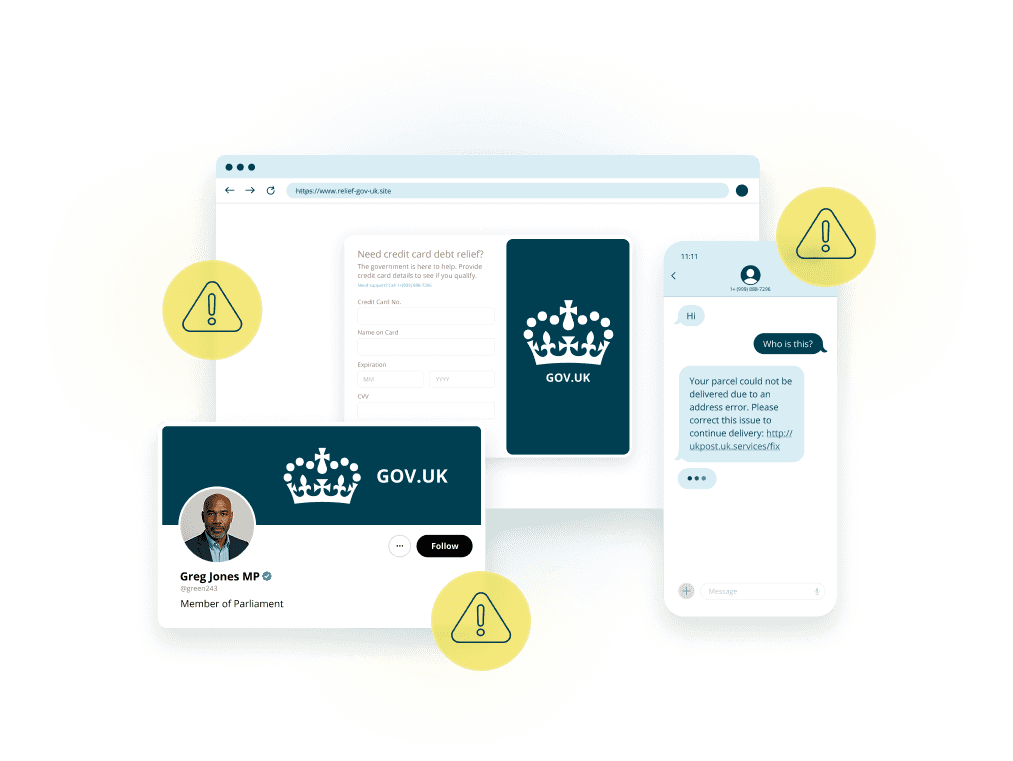
Tailored for the Public Sector
Through abuse box processing, entities can send citizen abuse reports directly to Netcraft. Using optical character recognition (OCR), we automatically extract phone numbers, URLs, and additional attack details to our threat feeds, saving your team time in manual workflows.
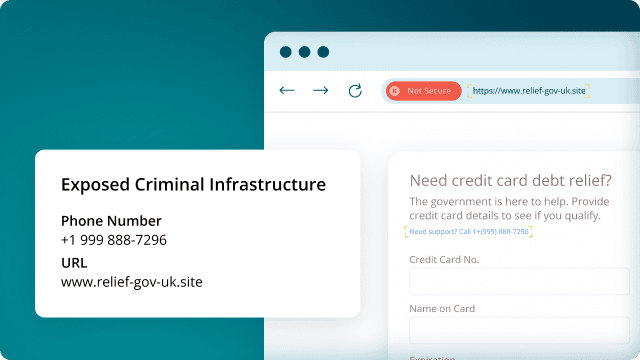
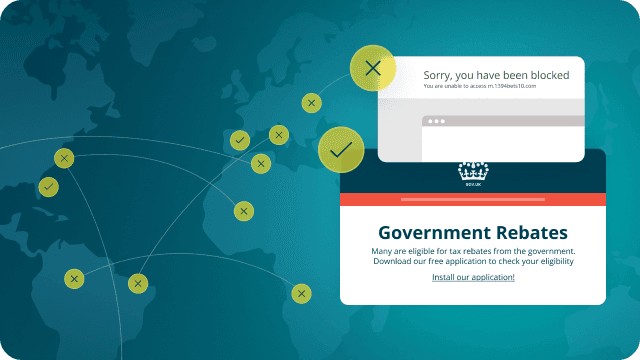
Take advantage of Netcraft’s network effect. With some of the largest public and private entities in the world reporting malicious content, our threat feeds are used by all major browsers, immediately blocking access to malicious content once detected.
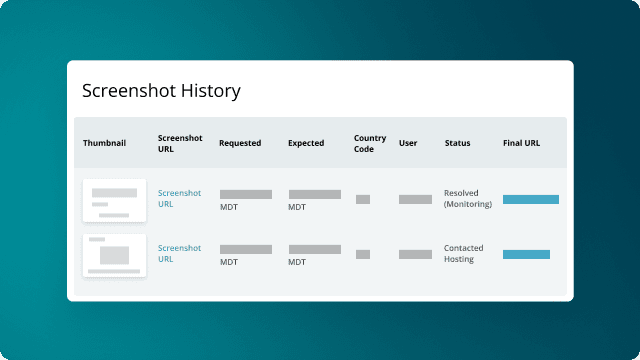
Safely explore an attack site without spinning up virtual machines, easily review evidence, and report threats for takedown.
Unmatched Scale and Effectiveness
Netcraft’s online brand protection operates 24/7 to discover and stop phishing, fraud, scams, and cyber attacks through extensive automation, AI, machine learning, and human insight.





Over the last 5 years, [Netcraft’s] service has taken down 5.8M phishing URLs. We have halved the UK share of global phishing whilst significantly reducing the lifecycle of commodity cyber attacks.

Trusted Compliance and Security



Frequently Asked Questions
Why is the public sector an attractive target for cybercriminals?
Governments — central and local — manage huge amounts of sensitive data, making them attractive targets for cybercriminals who can monetize unauthorized access by conducting (for example) ransomware attacks.
Why are government brands often used to create phishing attacks?
Cybercriminals often spoof government departments and agencies because there’s an implicit amount of trust in what appears to be official communications. And, as government services are increasingly delivered online, citizens become accustomed to interacting with officials via email, SMS, and online. Cybercriminals exploit these technology-based conveniences.
How does Netcraft help prevent government brands from being exploited in this way?
We receive phishing reports from industry partners, spam emails, and our anti-phishing community. With this information, we are uniquely positioned to monitor the internet for these attacks. Attacks impersonating official services are blocked in our threat feeds before they can cause harm, protecting billions of people.
How does Netcraft take down phishing attacks?
We automatically identify hosting providers, domain registrars, webmasters, and others — and we determine how to notify them most effectively (via email, API, private contact, or otherwise). We gather and present evidence of the cyberattack to demonstrate the problem to those with the ability to take down the attack
What is a ransomware attack?
A ransomware attack is when users are unable to access their computers, systems, or data until the target pays the ransom to a cybercriminal (normally in the form of cryptocurrency). The criminals behind ransomware attacks may also threaten to publish sensitive material.
How has Netcraft helped governments, like the UK, protect their citizens from cyber attacks?
Since 2016, Netcraft has provided takedown services for the UK’s National Cyber Security Centre. Netcraft’s service takes down phishing attacks from cybercriminals purporting to be from UK government departments. We have also disrupted a number of phishing attempts masquerading as legitimate government departments as a result.