Protection Where Your Brand Is Most Visible
Social Media Protection
Safeguard your brand on social media by making it harder for criminals to impersonate your brand on low barrier-to-entry channels.
Quick Takedowns. Maximum Protection.


Our Social Media
Protection Capabilities
Cyber attacks that rely on public social media platforms can be more difficult to detect and disrupt as they rely on a single party to take action — the platform itself. Netcraft’s social media monitoring and takedown platform enables you to track platform misuse and launch takedowns against these criminal impersonation attempts.
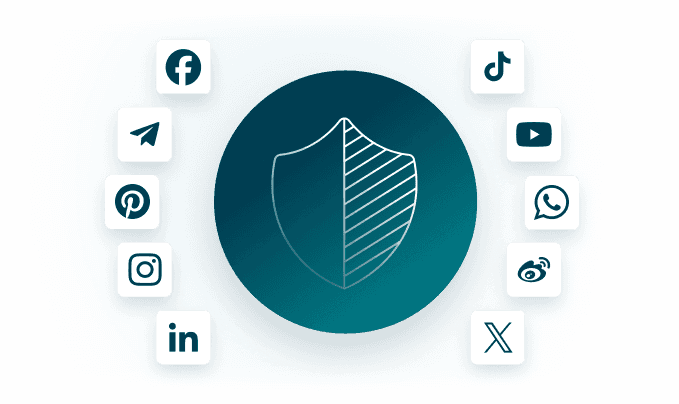
Detect, block, and take down impersonations of your brand across Facebook, Instagram, X, LinkedIn, TikTok, Telegram, YouTube, Weibo, Pinterest, Bluesky, WhatsApp* and more.
*takedown only
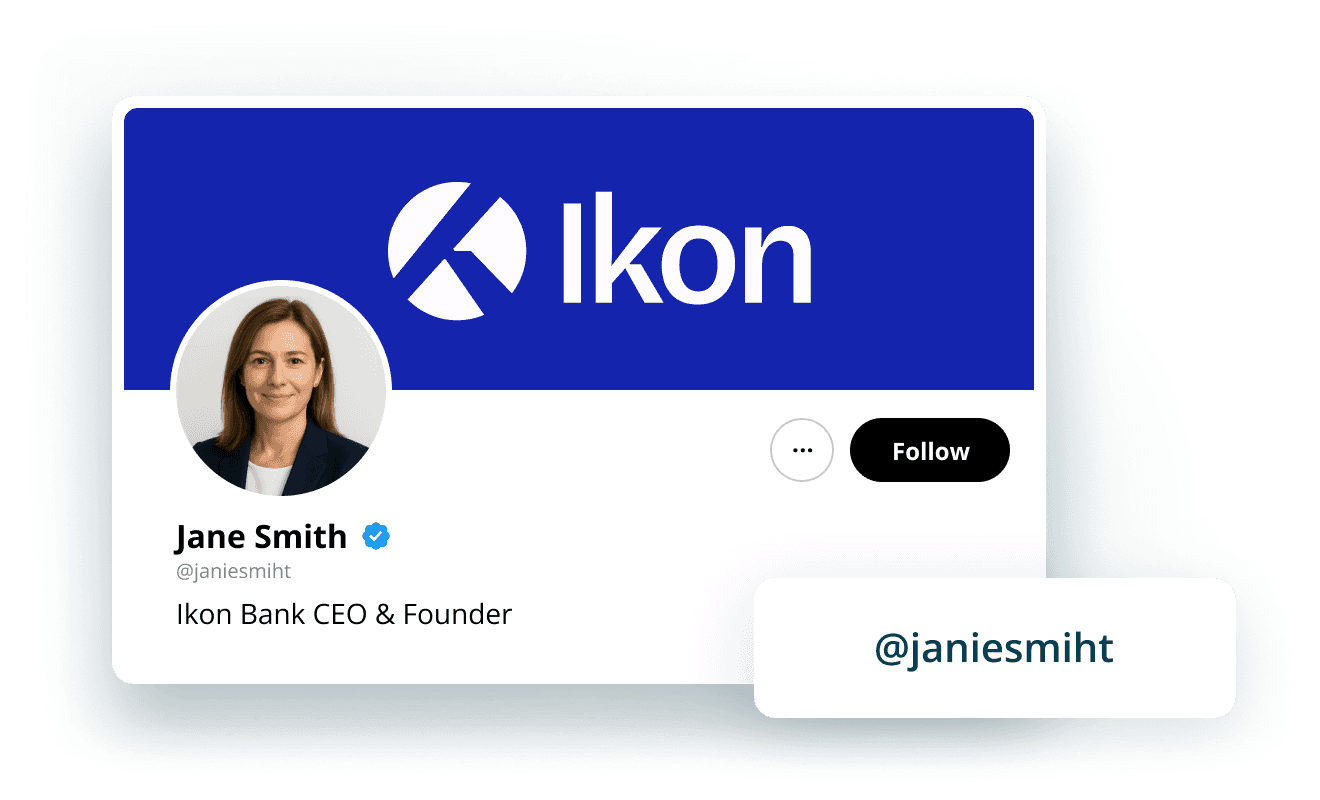
Identify and remove fake executive and employee profiles across social channels to reduce scams used to extract sensitive information and conduct advance-fee fraud. (Bluesky, Facebook, Instagram, Pinterest, LinkedIn, Telegram, TikTok, X, Weibo, and more)
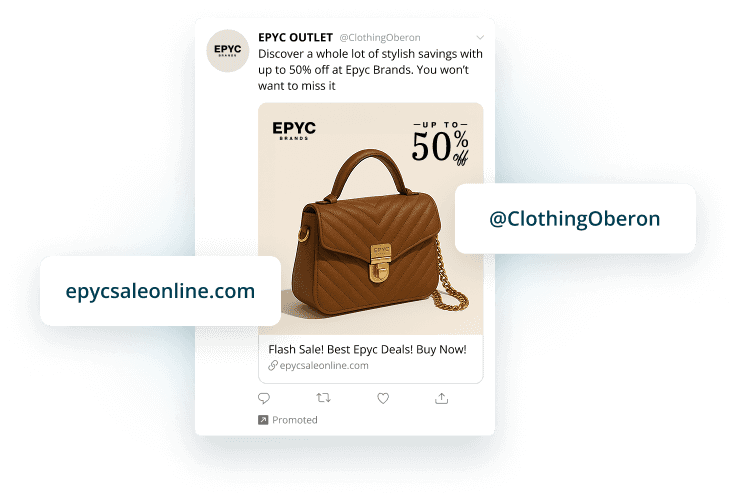
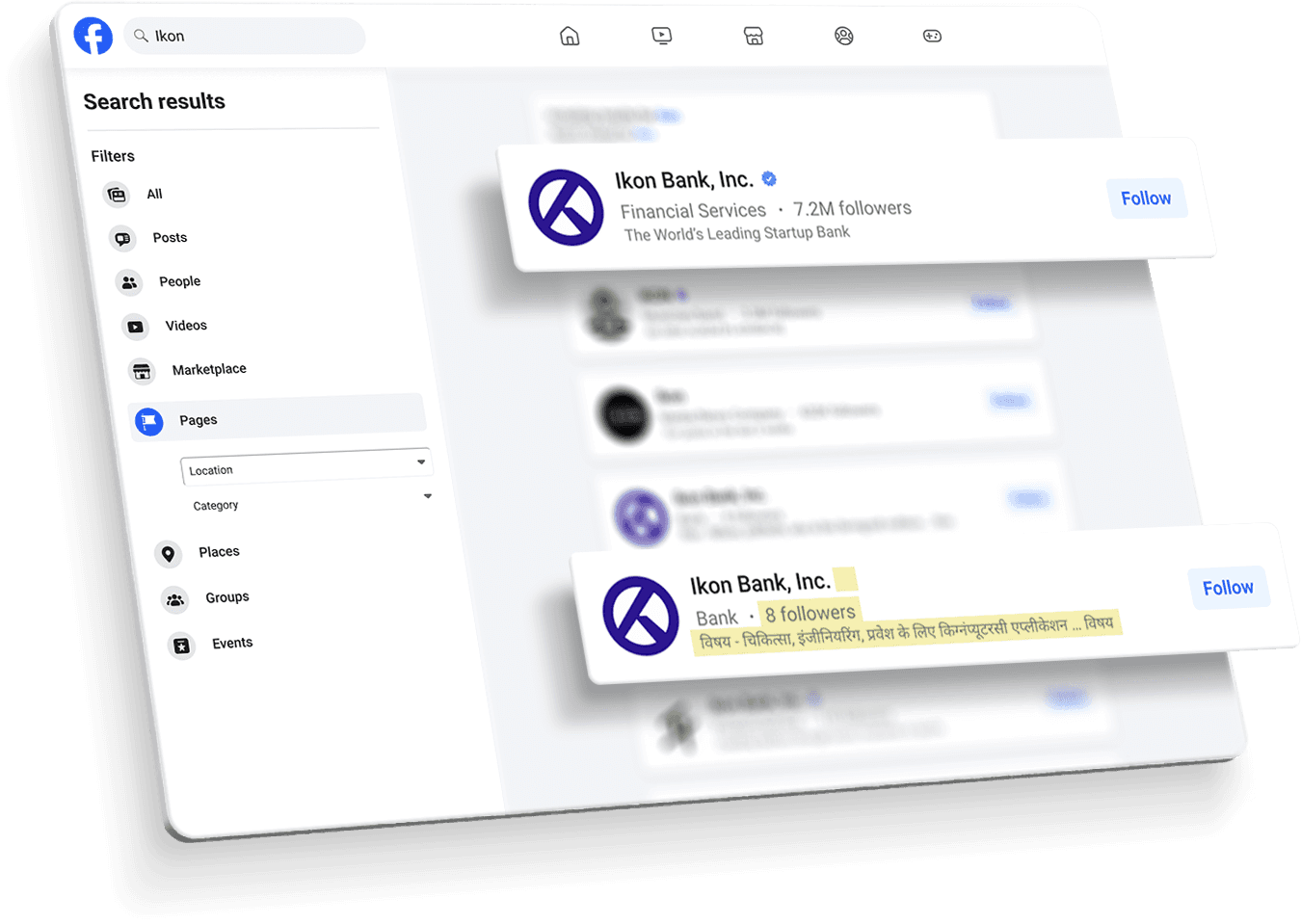
Monitor and remove malicious ads on Facebook, Instagram, and Threads that attempt to trick your customers into purchasing from fake shops or engaging with scams.



Before Netcraft, takedowns could take days or even weeks. Now, most threats are removed within hours, which has made a significant difference for our team and leadership.
We’ve also seen a meaningful reduction in attack volume over time, while saving substantial analyst effort through automation. Netcraft has helped us stay ahead of threats and made brand protection far more efficient day to day.

- FRAUD PREVENTION MANAGER
Unmatched Scale and Effectiveness


Frequently Asked Questions
What social media platforms does the Netcraft service cover?
Netcraft searches for fraudulent content on Facebook, Twitter, Instagram, TikTok, Telegram, YouTube, Weibo, Bluesky, and Pinterest that is impersonating your brand name and trademarks.
What is advance fee fraud?
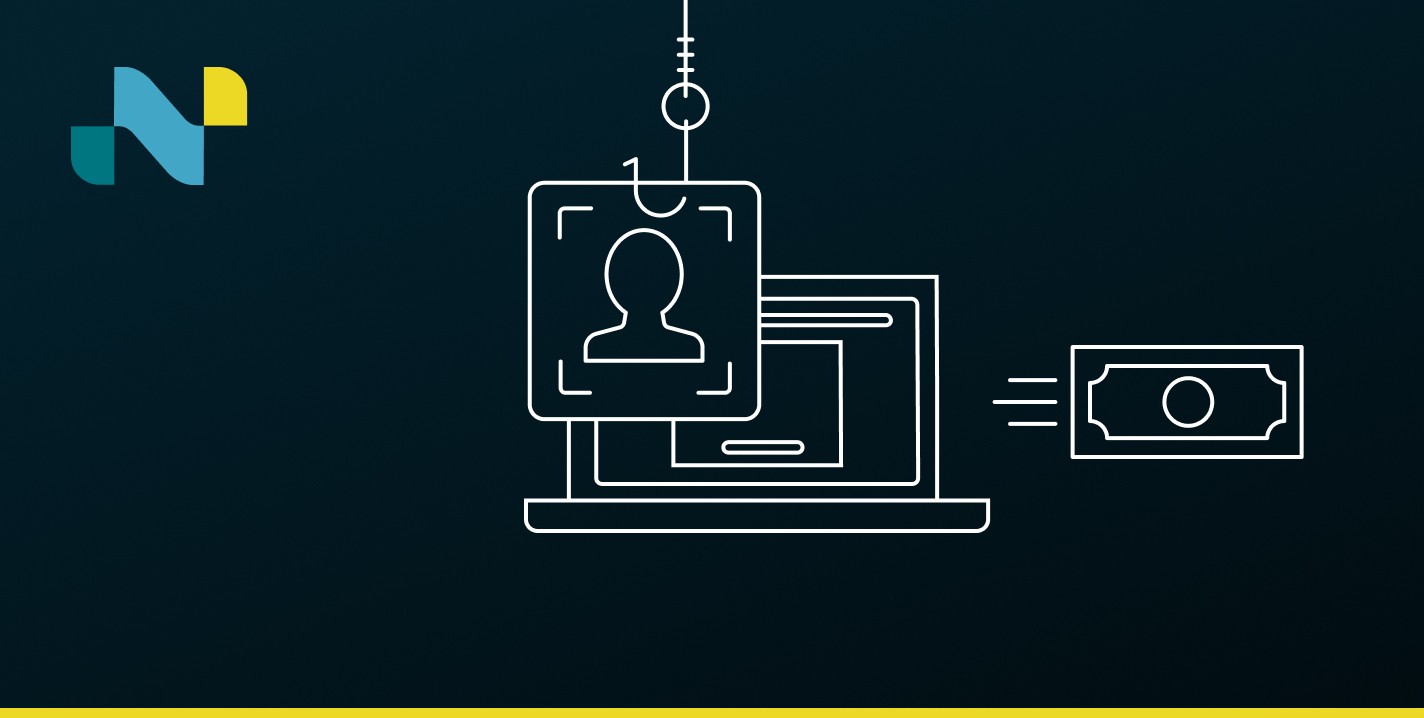
Advance fee frauds typically involve promising the victim a large amount of money or valuable goods, with only a relatively small up-front fee required (for example, to cover processing). The money, of course, never arrives. Executive impersonation is used extensively in advance fee fraud attacks to make them appear more convincing.
What other tactics might a criminal use during an executive impersonation attack?
Criminals, posing as executives, may ask victims to share a file, pay an invoice, or click a link. The link will often direct them to scam websites that contain malware or trick them into providing credentials.
Why do cyber criminals create fake profiles of high-profile executives?
Criminals create fake profiles because they know victims will recognize high-profile executives, and are therefore more likely to open phishing attacks. They’re also more likely to believe bogus claims.